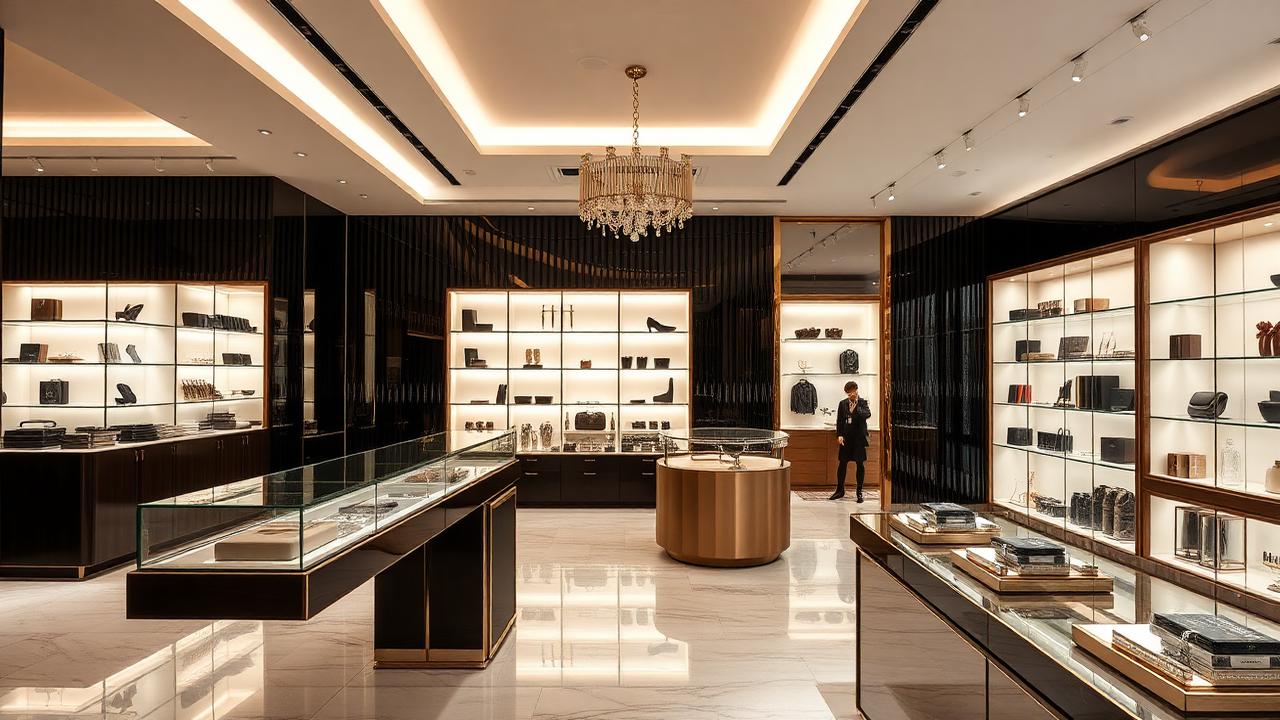
In PracticeWhat This Looks Like in Practice
The global luxury market is projected to reach $380B by 2027, with 80%+ of luxury purchases now influenced by digital touchpoints. High-net-worth consumers research extensively online—but they expect a premium digital experience that matches the in-store standard.
Example 1
A luxury jewellery brand expanding from physical retail to e-commerce
Built a premium e-commerce experience with editorial product storytelling, craftsmanship videos, and virtual consultation booking. Created content around gifting occasions, precious metal guides, and care instructions. Ran Meta Ads targeting affluent audiences.
Online revenue grew to 30% of total sales within 12 months, with average online order value matching in-store—proving digital could support luxury positioning
Example 2
A premium fashion boutique competing against Net-a-Porter and Farfetch
Differentiated through curated editorial content—styling guides, designer interviews, and trend forecasts. Built a VIP client programme with early access and personal shopping services promoted through targeted email and social campaigns.
VIP programme members spent 4x more annually than standard customers, with 85% retention rate
Example 3
A luxury homeware brand building brand awareness in the GCC
Created aspirational lifestyle content featuring real interior design projects using the products. Partnered with regional interior designers for co-branded content. Ran Instagram and Pinterest campaigns targeting home renovation intent signals.
Brand search volume increased 200% in target markets within 6 months, driving both online sales and showroom appointments